Many companies invest in IT infrastructure support services, yet still struggle to keep systems running smoothly. Issues repeat, response times vary, and visibility across devices and systems remains limited.
As teams become distributed and global, support services must go beyond basic troubleshooting and local IT assistance. Modern environments require consistent operations across devices, systems, and regions, which means support needs to evolve into something more structured and connected.
What are IT infrastructure support services
Before exploring how these services work in practice, it is important to define what IT infrastructure support services actually cover and how they fit into daily operations.
IT infrastructure support services definition
The definition of IT infrastructure support services refers to the services that manage, maintain, and support IT systems, devices, and networks within an organization. These services ensure that infrastructure remains functional, secure, and aligned with business needs.
In simple terms, what are IT infrastructure support services? They combine operational support and technical assistance to keep infrastructure running consistently across environments. This includes both day-to-day troubleshooting and ongoing system management.
What IT infrastructure support services include
Most infrastructure IT support services cover several key areas:
- Device and endpoint support for laptops and workstations
- System and application support for business tools
- Network and connectivity support across environments
- User and helpdesk support for issue resolution
While these functions may seem straightforward, IT infrastructure support and services are often broader than expected because they touch every part of infrastructure.
Core components of IT infrastructure support services
IT infrastructure support services cover multiple layers of infrastructure and operations, and each component plays a role in keeping systems stable and usable. Rather than working as separate functions, these components need to operate together to maintain performance, security, and consistency across the organization. Many businesses also work with AWS consulting companies to optimize cloud infrastructure, improve scalability, and ensure their AWS environments integrate seamlessly with existing IT support operations.
Infrastructure layers supported
Support services typically span several key layers within an IT environment:
- Devices and endpoints, such as laptops and workstations, which must be configured, updated, and supported throughout their use
- Applications and business systems, which need to remain stable and accessible so teams can perform daily tasks without disruption
- Network and connectivity environments, which ensure systems, users, and locations remain connected across offices and remote setups
These layers are closely connected. A failure in one area, such as network issues, can affect system access or device usability, which is why support must consider the full infrastructure rather than isolated components.
IT infrastructure and support scope
Beyond infrastructure layers, IT infrastructure and computer support services include ongoing operational responsibilities:
- Monitoring systems to detect issues early
- Maintenance and updates to keep systems stable
- Security measures to protect data and access
- Support to resolve issues and assist users
These responsibilities form the foundation of IT infrastructure and support, where services are not limited to fixing problems but maintaining reliable operations over time.
Types of IT infrastructure support services
Not all support services are structured the same way. Companies often combine multiple types depending on their size, resources, and operational needs.
In-house support vs outsourced services
Some organizations rely on internal IT teams to handle support, which provides direct control but can limit scalability. Others use external providers that offer infrastructure IT support service, allowing access to additional resources and expertise.
Managed IT infrastructure support services
Managed services involve outsourcing infrastructure operations on an ongoing basis. These services typically include proactive monitoring, maintenance, and issue resolution, helping teams reduce internal workload.
IT infrastructure support consulting services
IT infrastructure support consulting services focus on planning and optimizing infrastructure. This includes advising on system design, improving performance, and aligning infrastructure with business goals.
Choosing the right combination of services depends on how the organization operates and how much control it needs to retain.
Project-based infrastructure support
Some support services are delivered on a project basis rather than as ongoing operations. These projects may include system migrations, infrastructure upgrades, or deployment of new tools and environments.
This type of support is useful for specific initiatives, but it does not replace the need for continuous operational support.
Hybrid support models
Many organizations use a hybrid approach that combines internal teams, external providers, and specialized services. This allows flexibility, but it also requires coordination to ensure consistency across systems and processes.
Hybrid models are common in global environments, where different regions may rely on different providers or support structures.
IT infrastructure support services challenges
Even with support services in place, organizations often face operational challenges as infrastructure grows and becomes more distributed.
Lack of visibility across systems and devices
Maintaining a consistent view of infrastructure is difficult when devices and systems operate across different locations and environments. This limits the ability to detect issues and manage assets effectively.
Fragmentation across multiple vendors
Many companies rely on multiple providers for devices, networks, and support. While this allows flexibility, it creates fragmented processes and inconsistent service levels.
Slow response times across regions
Global operations introduce time zone differences that can delay issue resolution. This affects productivity, especially when critical systems are involved.
Manual coordination between teams
Support often depends on manual processes such as tracking issues and coordinating between teams. These processes become inefficient as infrastructure grows.
These challenges highlight why business IT infrastructure support requires more than basic services.
IT infrastructure support tools and platforms
Tools are commonly used to support IT infrastructure services, helping teams manage operations more efficiently.
Common tools used in support services
Organizations typically rely on a combination of tools to support different aspects of IT infrastructure operations. Each tool focuses on a specific function, which helps improve efficiency but also requires coordination across systems.
Common tools used in support services include:
- Monitoring and alerting tools, such as Zabbix, Datadog, or New Relic, which track system performance and detect issues in real time
- Ticketing and helpdesk systems, such as ServiceNow, Jira Service Management, or Zendesk, which manage user requests and support workflows
- Remote access and troubleshooting tools, such as TeamViewer, AnyDesk, or Microsoft Remote Desktop, which allow IT teams to resolve issues without physical access
- Endpoint management tools, such as Microsoft Intune or VMware Workspace ONE, which help manage device configuration, updates, and security policies
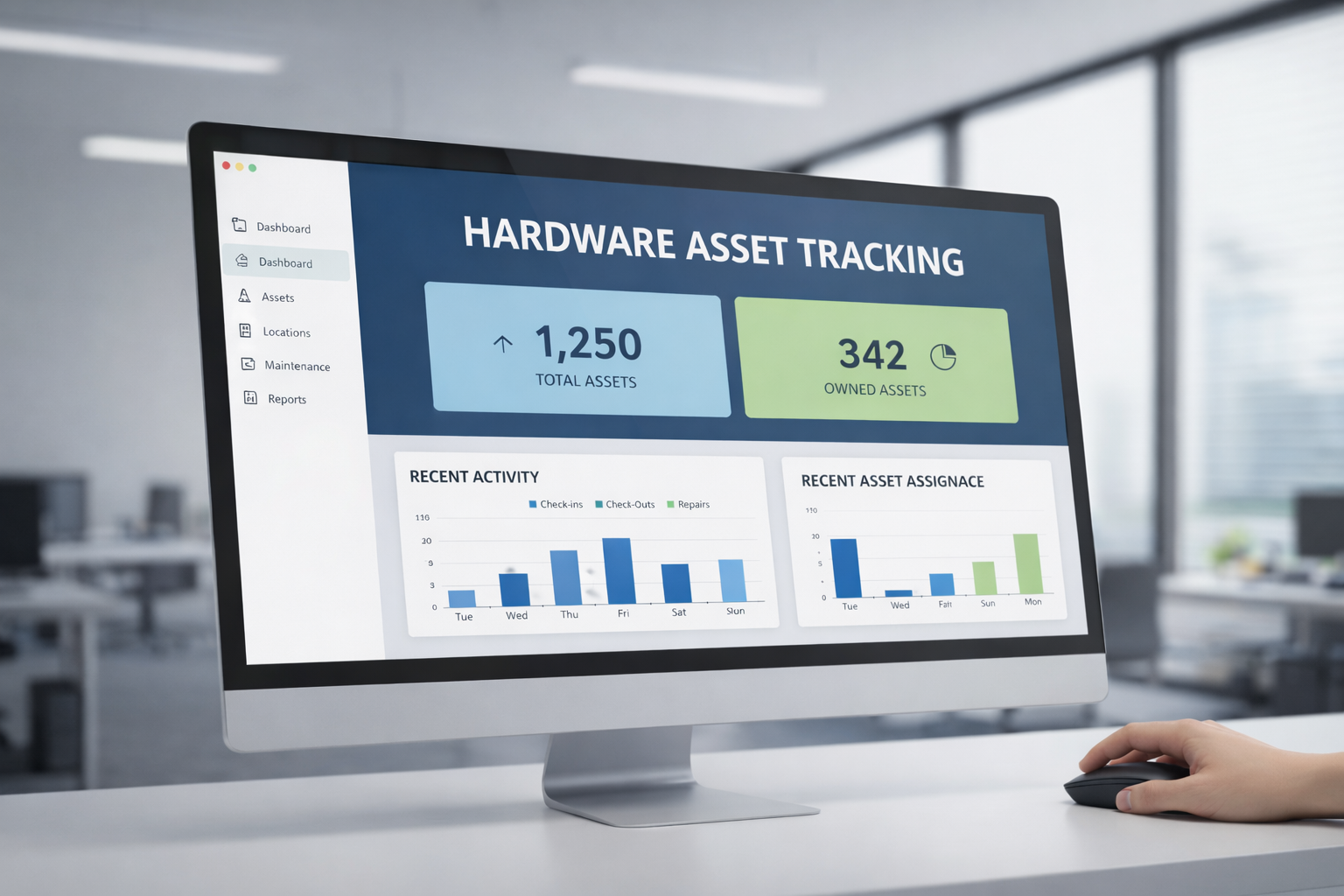
- Asset management tools, such as Snipe-IT or Lansweeper, which track devices, ownership, and inventory across the organization
These tools help teams manage support more effectively, but they are often used as separate systems. As a result, organizations still need to connect data and workflows across tools to maintain a consistent view of infrastructure.
Limitations of tools in service environments
While tools improve visibility and response time, they often operate as separate systems within support environments. This means data is spread across platforms, and teams must switch between tools to understand the full context of an issue.
In practice, this fragmentation creates gaps in coordination. A ticketing system may track user issues, while monitoring tools detect performance problems, but these insights are not always connected in real time.
As a result, support remains largely reactive, and teams still rely on manual processes to bridge workflows across tools, which limits efficiency as infrastructure scales.
Remote IT infrastructure support services
Remote IT infrastructure support services have become essential as organizations move toward distributed and hybrid work models. Instead of relying on physical access, support teams must manage devices, systems, and users across locations while maintaining consistent service levels.
The shift toward remote IT infrastructure support services is driven by the need to support teams that operate across regions and time zones. Companies require faster issue resolution without on-site support, as well as the ability to maintain systems consistently regardless of where employees are located.
In practice, remote support services include:
- Remote troubleshooting and issue resolution across devices and systems
- Continuous monitoring to detect performance issues and potential risks
- User support across locations, ensuring employees can work without disruption
Many organizations also rely on managed services, such as ServiceNow managed support services, to support cloud-based infrastructure, showing that managed IT services can support cloud environments as part of remote operations.
While remote support improves accessibility and reduces dependence on physical presence, it does not fully address coordination challenges. Teams still need to manage workflows across tools, vendors, and regions, which requires a more structured approach to ensure consistent and scalable support.
IT infrastructure support services for cloud and hybrid environments
Modern IT environments rarely rely on a single setup. Most organizations operate across a mix of cloud-based systems and on-premise infrastructure, which increases the complexity of support services. Teams must ensure consistent performance, security, and access across different environments while keeping systems connected.
Supporting cloud-based infrastructure
Cloud environments require continuous monitoring and management to maintain performance and security. Support services focus on managing SaaS applications, user access, and system reliability across cloud platforms.
Supporting hybrid IT environments
Hybrid environments combine cloud and physical infrastructure, which requires coordination between systems. Support services must ensure connectivity, consistent performance, and alignment across both environments.
Comparison of cloud vs hybrid support environments
| Aspect | Cloud environments | Hybrid environments |
| Infrastructure type | Fully cloud-based systems and SaaS applications | Combination of cloud and on-prem infrastructure |
| Support focus | Application performance, access, and security | Integration, connectivity, and system coordination |
| Complexity level | Moderate, depends on number of services used | Higher due to multiple environments and dependencies |
| Monitoring approach | Centralized monitoring through cloud platforms | Multiple monitoring layers across environments |
| Common challenges | Managing access, usage, and security | Maintaining consistency and connectivity across systems |
Cloud environments simplify infrastructure by centralizing systems, while hybrid environments require more coordination because multiple systems must work together. As infrastructure scales, this difference becomes more significant for support teams.
A modern approach to IT infrastructure support services
IT infrastructure support services are evolving from fragmented functions into integrated systems that connect operations across the entire lifecycle. Instead of relying on separate tools, vendors, and processes, modern teams focus on building a unified approach that improves visibility, coordination, and consistency.
In this model, support is no longer limited to resolving issues. It becomes part of how infrastructure is planned, deployed, monitored, and maintained. This shift allows teams to move from reactive support to more proactive and structured operations.
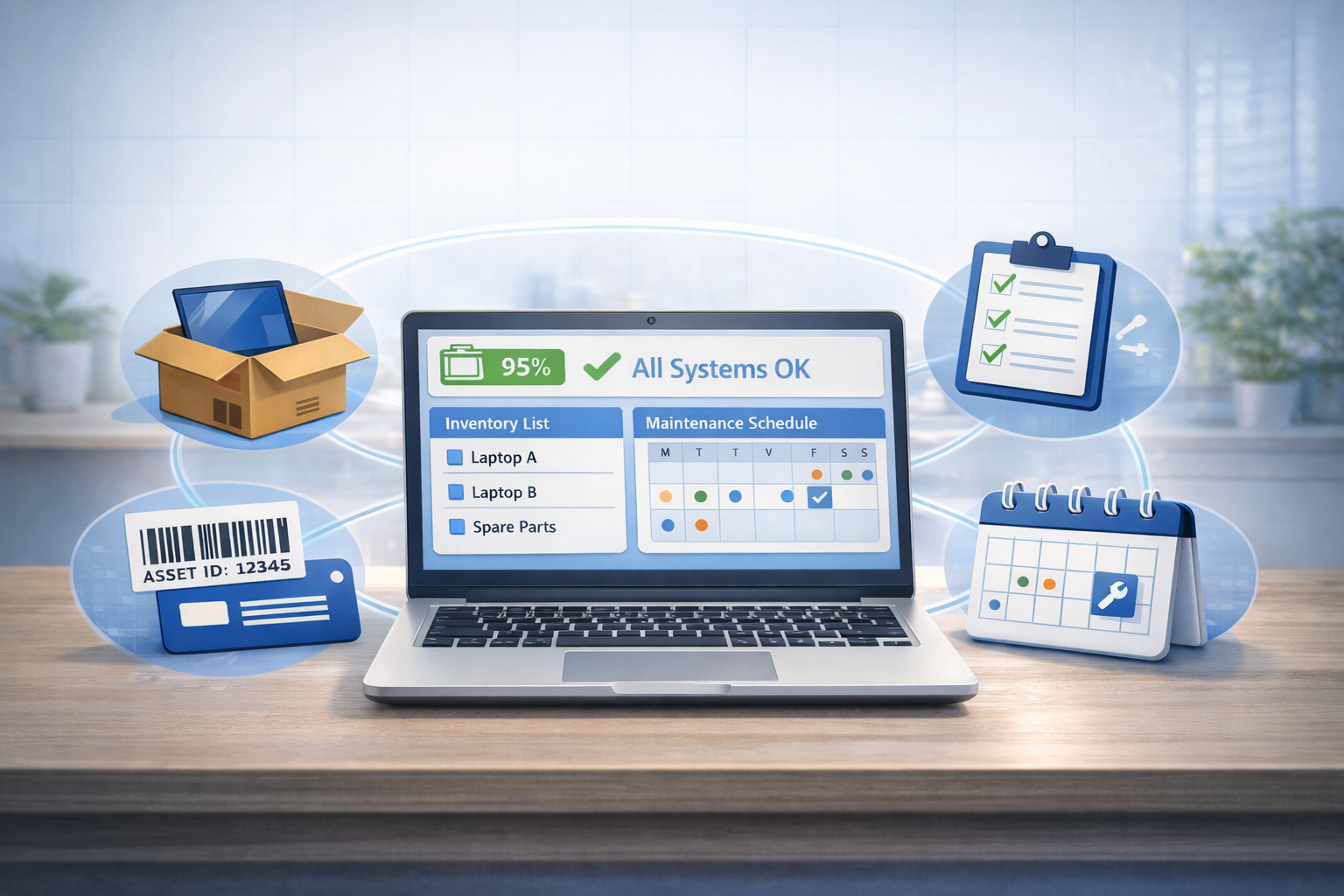
A modern support system typically includes:
- Procurement and setup of infrastructure based on business needs
- Deployment and configuration of devices and systems for users
- Continuous tracking and monitoring across environments
- Ongoing support and maintenance to ensure system stability
- Recovery and replacement of assets when needed
By connecting these stages, organizations reduce fragmentation and improve operational efficiency. This approach also reduces dependency on multiple vendors and disconnected tools, making it easier to manage infrastructure at scale.
As teams operate across regions and environments, this integrated model becomes essential. It enables consistent support, better visibility, and more reliable performance across the entire infrastructure lifecycle.
Rethinking IT infrastructure support services for global teams
Modern organizations need to rethink IT infrastructure support services as part of a connected system rather than a set of isolated functions. As teams operate across regions, support must go beyond troubleshooting and integrate with how infrastructure is managed across its entire lifecycle.
A lifecycle-based approach allows support to extend from setup and deployment to monitoring, maintenance, and recovery. This creates a more consistent way to manage infrastructure, reducing gaps between teams, tools, and processes that often appear in distributed environments.
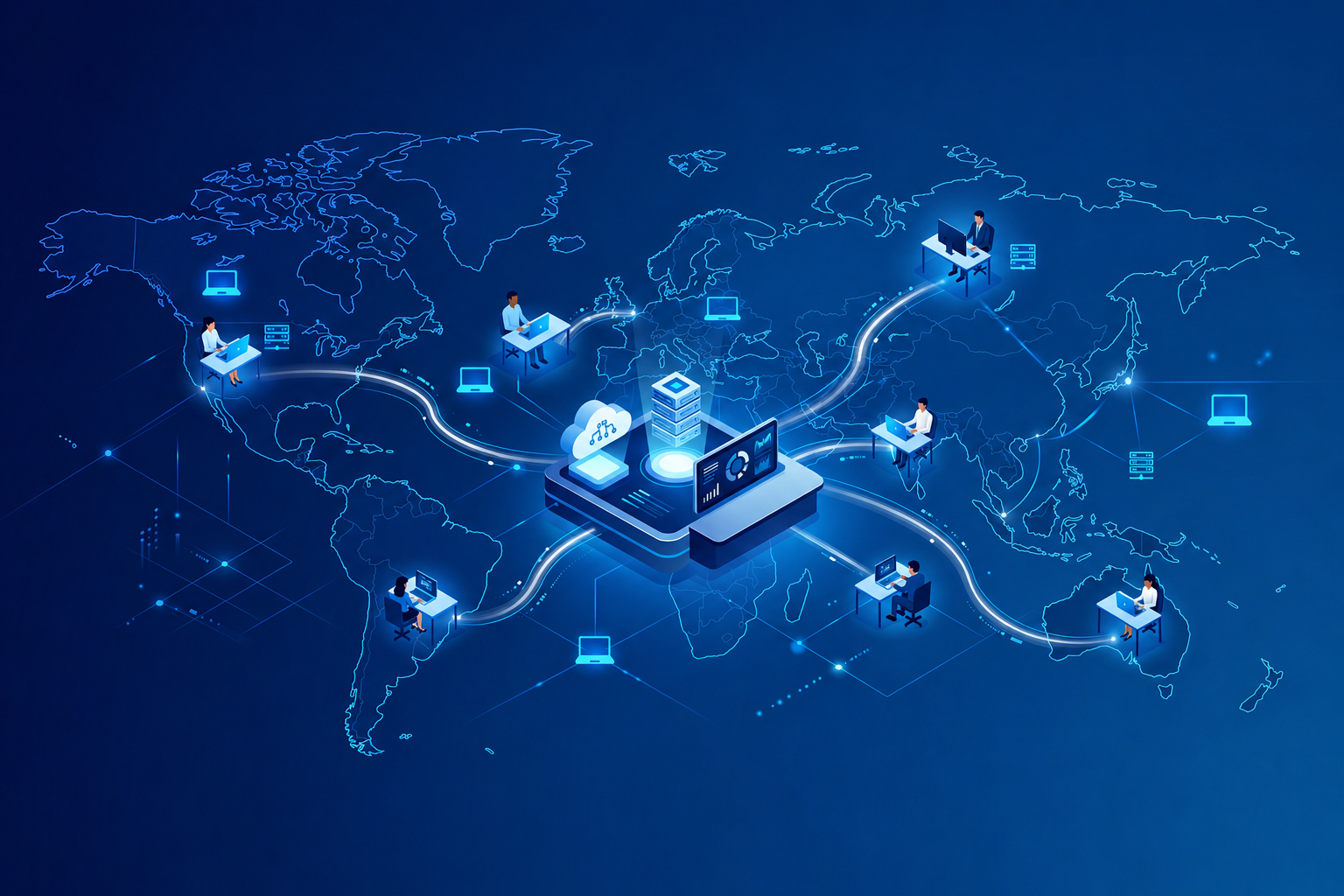
At the same time, global operations require centralized visibility combined with local execution. Teams need to manage devices, systems, and users across different regions while maintaining consistent performance and support standards.
Esevel supports this approach by enabling lifecycle-based IT infrastructure support services, helping global enterprises manage infrastructure across Europe, the US, APAC, and other regions with consistent visibility and execution, without relying on fragmented tools or multiple vendors.
FAQs
What are IT infrastructure support services
IT infrastructure support services are services that manage, maintain, and support IT systems, devices, and networks. They ensure infrastructure remains functional and secure.
What do IT infrastructure support services include
They include device support, system maintenance, network management, and user assistance. These services cover both operational support and technical troubleshooting.
What are managed IT infrastructure support services
Managed services involve outsourcing infrastructure support to external providers. These providers handle monitoring, maintenance, and support on an ongoing basis.
Can managed IT services support cloud-based infrastructure
Yes, managed IT services can support cloud environments by monitoring systems, managing applications, and ensuring secure access across platforms.
How to choose IT infrastructure support services
Choosing services depends on factors such as team size, infrastructure complexity, and operational needs. Organizations should consider scalability, visibility, and integration capabilities.
Build IT support services that scale with your team
IT infrastructure support services are no longer just about fixing issues. As teams grow and operate across regions, support must be connected to how infrastructure is managed across its lifecycle.
What modern organizations need is a system that integrates support into operations, not just tools or isolated services. Esevel enables this by connecting procurement, deployment, tracking, support, and recovery, helping global teams maintain consistency without relying on fragmented systems.