Picture this: A company upgrades its fleet of computers and places the old devices in a warehouse. Months later, some drives are sold off or sent for recycling—but residual sensitive data is recovered and leaked, causing a breach.
This scenario is more common than you think. Mishandling the disposal of IT equipment can expose critical information, violate regulations, and harm your reputation. Many organizations treat their old gear like junk—but those devices often contain storage media, network cards, and caches full of sensitive data.
In this article, you’ll discover why safe IT equipment disposal is vital, a step-by-step process for doing it right, what to ask your disposal partner, legal and environmental obligations, and common pitfalls to avoid.
Why safe IT equipment disposal matters
Data security risk
Electronic devices—servers, computers, printers, storage devices—store data in many places. Standard file deletion often leaves recoverable remnants. Without proper data sanitization/data destruction, malicious parties can extract confidential information.
Legal & compliance risk
Various laws (e.g., privacy laws, industry regulations) require proof that data is irreversibly erased before disposal. Improper handling can lead to fines or legal liability.
Environmental harm
Computer equipment and other electronic equipment contain toxic materials—lead, mercury, cadmium. Dumping them in landfills can pollute soil and groundwater. Responsible waste disposal of electronic devices demands strict recycling and material recovery methods.
Reputational damage
A data leak traced back to a misdisposed device can harm client trust and brand image. It’s not just about compliance—it’s about preserving credibility.

Step-by-step safe disposal process
Below is a structured process your organization can follow to dispose of IT equipment properly.
1. Inventory & assessment
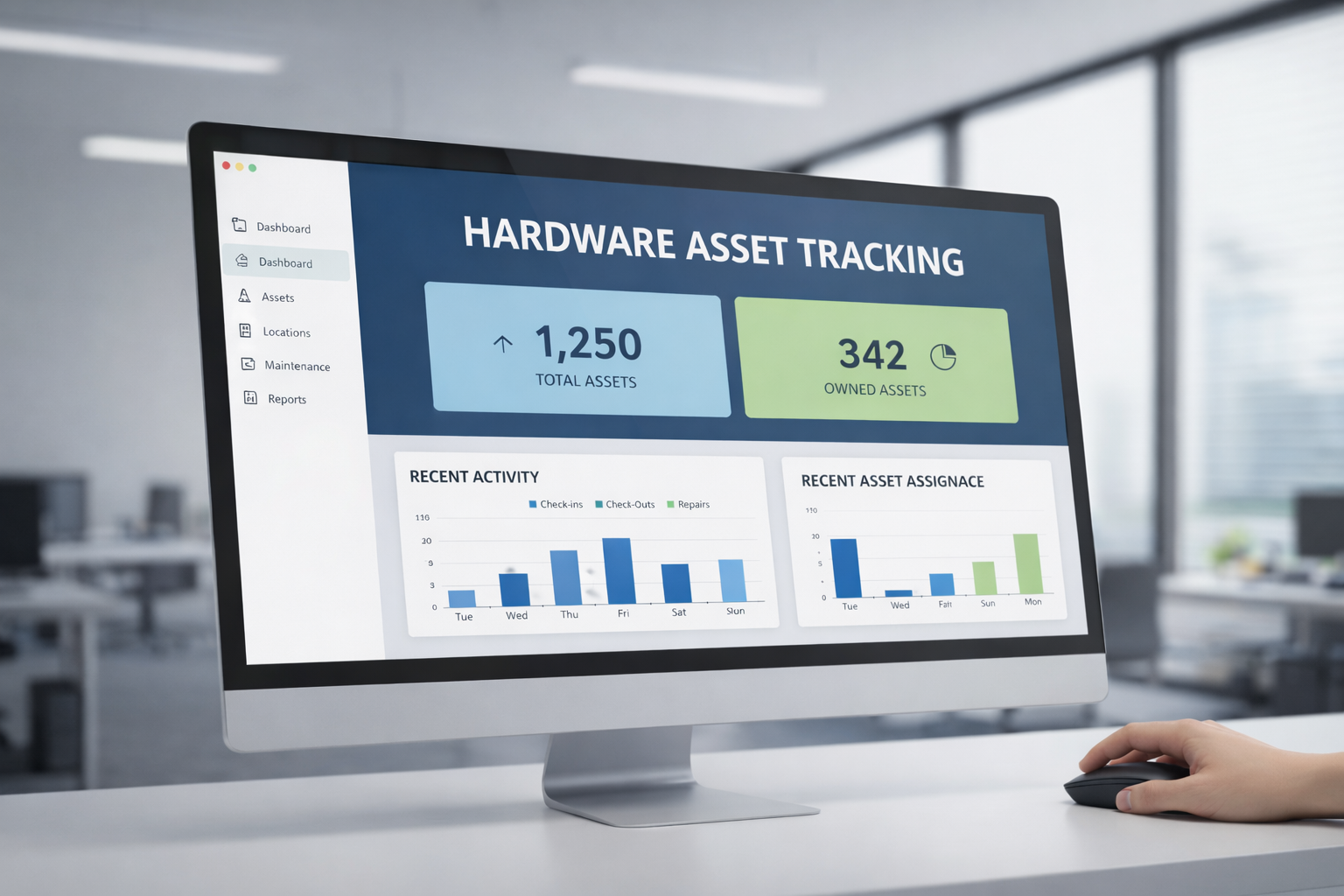
Begin by cataloging all devices: computers, servers, storage devices, routers, and peripherals. Record model, serial, operational status, and whether it contains storage media. Classify the data sensitivity level. This helps determine which devices need more aggressive sanitization.
2. Data sanitization/destruction
Choose a method based on device type and risk:
- Software overwriting (multiple passes) for rewritable media
- Degaussing for magnetic media
- Physical destruction such as drive shredding/crushing
- Hybrid approaches (wipe then destroy)
Ensure the method meets recognized standards and is verified. Experts argue that nothing is more effective than shredding for high-risk devices.
3. Secure transportation & chain-of-custody
Once sanitized (or prepared), transport devices under controlled conditions. Use sealed containers, tamper-evident, and documented handoffs. Maintain a chain-of-custody log showing every transfer from point A to B. That record protects you from claims later.
4. Disposal/recycling/material recovery
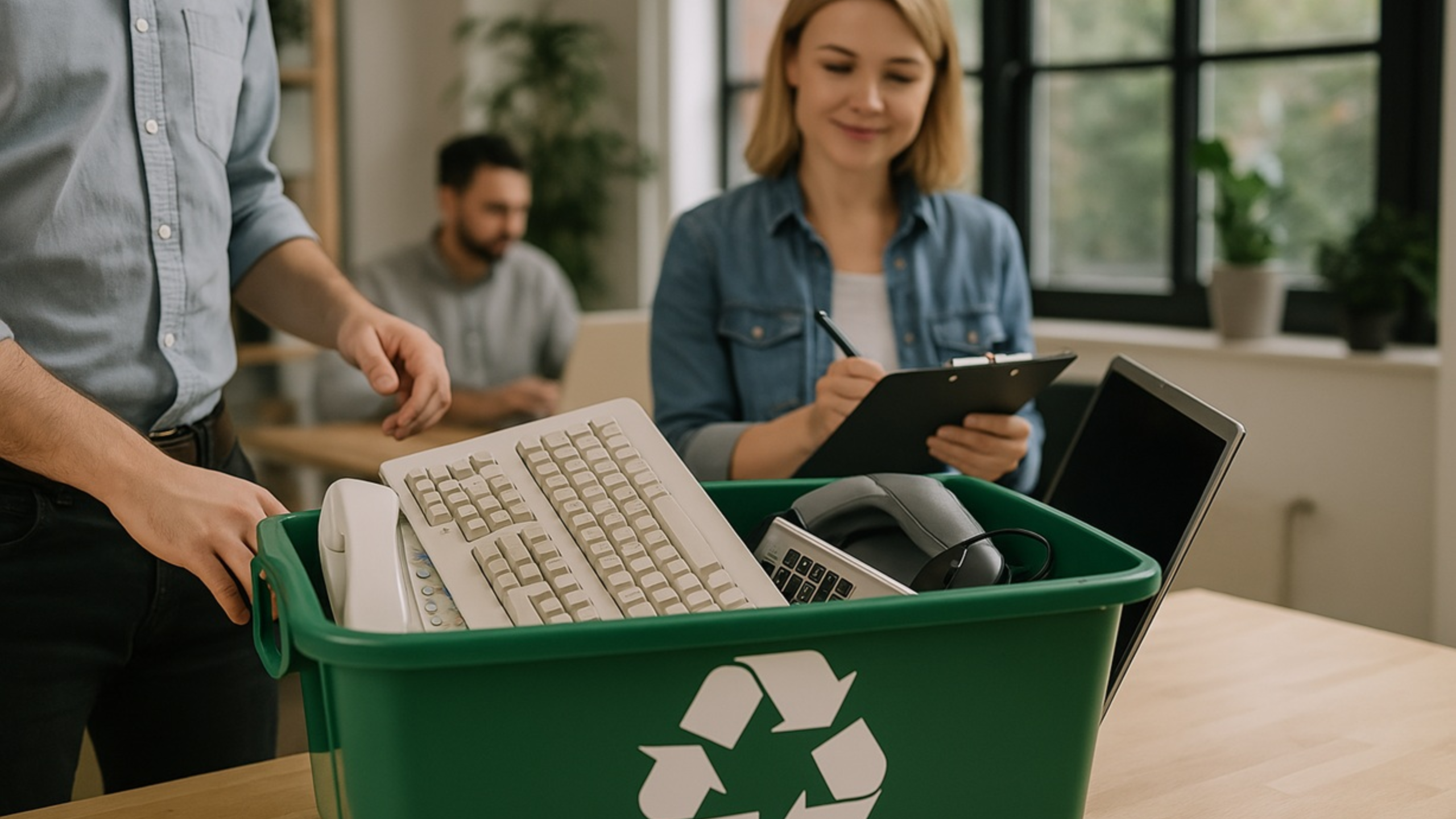
Work only with certified recycling facilities. The recycling process may include disassembly, separation of electronics from plastics and metals, and processing hazardous parts safely.
For components with no reuse value, recycling ensures they don’t end up in a landfill. Always aim for material recovery—precious metals, copper, and plastics can be reused.
5. Donation or remarketing
If devices are functional and have had their data securely wiped, you can consider donation or resale. But only after rigorous verification. Use certified electronics recycling/refurbishment partners who guarantee clean media.
6. Documentation & certificate of destruction
Obtain formal certificates for each device you disposed of. Maintain logs, serial numbers, dates, and methods used. These records support audits and prove compliance.
Vendor/partner considerations
Choosing the right disposal partner is essential. Here are the criteria to evaluate:
- Certifications and standards: e.g. R2, e-Stewards, NAID, ISO
- Facility security and staff vetting
- Chain-of-custody controls and transparency
- Reporting capabilities: real-time tracking, audit logs, certificates
- Geographic/logistic coverage to handle all your locations
- Environmental/sustainability practices
Always vet that your disposal service is more than just “waste disposal”—they should handle data security, provide asset disposition, and support recycling responsibly.
Regulatory & environmental compliance
E-waste laws
In many regions, disposing of electronic waste is regulated under e-waste or WEEE directives (in the EU) or state laws. These laws require safe handling of hazardous electronic parts.
Hazardous components
Parts like batteries, CRTs, capacitors, and mercury lamps need special treatment, not general recycling. They must go to licensed handling facilities.
Reporting obligations
Some jurisdictions require companies to file reports on how much e-waste they generated, how much was recycled, and how the disposal was handled. Use your documentation to meet these requirements.
Reuse/donation strategy
Reuse or donation can extend the value of your equipment, but it must be done carefully.
- Use only after complete data wiping or destruction where needed
- Choose reputable partners (schools, NGOs, refurbish programs)
- Keep an audit trail of donated equipment
- Ensure that devices given away are safe, clean, and properly processed
When reuse is safe, it supports sustainability and minimizes waste.
Challenges & common pitfalls
- Underestimating data risk even for “obsolete” devices
- Choosing vendors who fail audits or skip the chain-of-custody
- Legacy or proprietary storage formats that resist standard wiping
- Cross-border transit risk in global operations
- Lack of documentation or lost records
- Hidden costs—transport, certification, specialized handling
Planning, auditing, and segmentation can mitigate these issues.
Secure disposal for IT: A vital step
Safe disposal of IT equipment is no longer optional—it’s a core part of your data security and environmental responsibility. By following the process above, your organization can eliminate risk, protect its reputation, and support sustainable practices.
Start by auditing your current disposal policies, defining clear standards, and partnering with certified disposal services that treat your electronic equipment disposal not as waste, but as a final act of stewardship.
If you’d like help designing or executing a secure disposal program for your distributed IT environment, Esevel is ready to assist—from logistics to chain-of-custody to certification.
FAQs
1. What is device retrieval, and why is it important during employee offboarding?
Device retrieval is the process of recovering company-issued equipment — such as laptops, smartphones, and tablets — from departing employees. It’s a critical part of the offboarding process because unreturned devices can expose organizations to data breaches, compliance violations, and unnecessary financial loss. A well-structured retrieval plan ensures that devices are returned on time, data is wiped securely, and the company’s digital and physical assets remain protected.
2. How can organizations streamline the device retrieval process for remote employees?
In a distributed workforce, retrieval logistics can be challenging. To streamline the process:
- Use asset management systems to track issued devices and automate reminders.
- Provide prepaid shipping labels or partner with local courier services for secure collection.
- Enable remote data wipe and encryption protocols to safeguard sensitive information.
- Maintain clear communication with the employee from the start of the offboarding process.
Esevel, for example, helps global teams retrieve devices across multiple regions through coordinated logistics, real-time tracking, and certified data sanitization.
3. What legal and compliance considerations should companies keep in mind?
Device retrieval is not just an operational process — it’s a compliance requirement. Organizations must ensure:
- Data protection: Devices are wiped or reset to comply with GDPR, HIPAA, or CCPA.
- Documentation: Signed acknowledgments and retrieval receipts are kept for audit trails.
- Employment contracts: Policies around device ownership and return are clearly stated. Failure to comply can lead to legal liabilities and regulatory penalties, so having a documented, compliant retrieval process is essential.
4. How can Esevel help organizations improve their device retrieval process?
Esevel offers an end-to-end IT asset management solution designed for distributed teams. Its platform simplifies device procurement, tracking, and retrieval, ensuring assets are returned safely and data remains secure. With Esevel, organizations can:
- Automate retrieval workflows and communication
- Track device status and logistics across countries
- Perform secure data wipes and compliance reporting
- Reduce administrative overhead and improve recovery rates
In short, Esevel helps companies transform device retrieval from a manual, reactive task into a secure, cost-effective, and fully managed process.