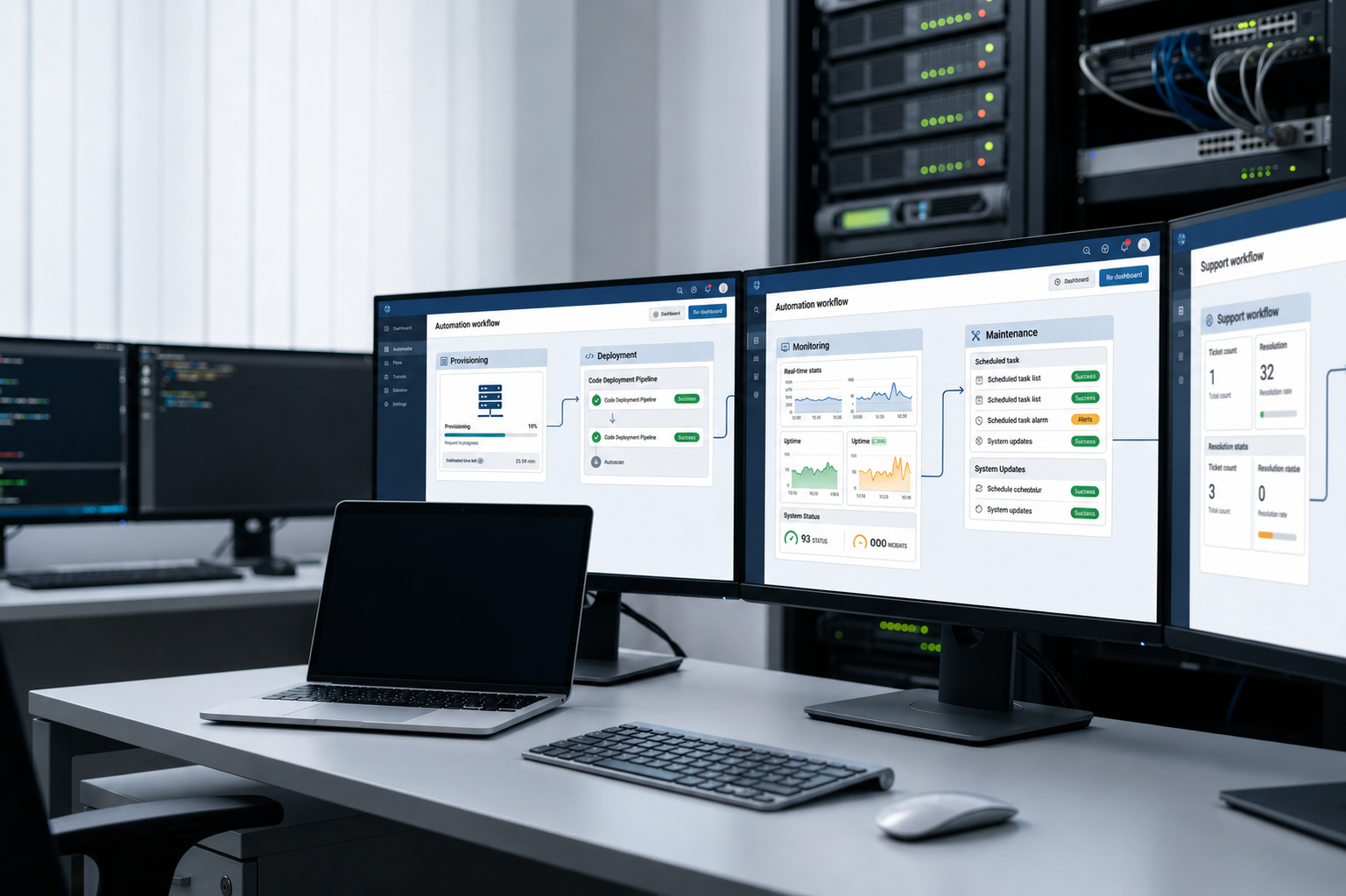
Fixed assets are easy to track when your company is small. You know where devices are, who is using them, and when they were purchased. However, as teams grow, this visibility starts to fade.
Devices move across locations. Employees join and leave. Assets are reassigned or forgotten. As a result, companies lose track of what they own.
This is where fixed asset management becomes critical. It is not just about keeping a list of assets. Instead, it focuses on controlling how assets are used, tracked, and managed across their lifecycle.
What is fixed asset management
Fixed asset management is the process of tracking, managing, and maintaining a company’s physical assets. This includes laptops, servers, office equipment, and other long term assets.
In simple terms, this system ensures teams account for every asset, use it properly, and maintain it throughout its lifecycle. In addition, it keeps records consistent as assets move between users and locations.
The meaning goes beyond inventory. Instead, it connects procurement, usage, tracking, and disposal into one continuous process.
Fixed asset management definition in practice
A fixed asset management system allows companies to:
- Track asset location and ownership
- Monitor usage and performance
- Maintain compliance and security standards
- Manage repairs, replacements, and disposal
Without this structure, assets quickly become difficult to manage as operations scale.
Why fixed asset management matters
As companies grow, managing assets becomes more complex. Devices are distributed across teams and regions, and manual tracking is no longer enough.
Therefore, companies need clear visibility and control. They need to know what assets they have, where they are, and how they are used.
Without proper management:
- Assets go missing or remain unused
- Costs increase due to duplicate purchases
- Security risks grow due to unmanaged devices
- Compliance becomes harder to maintain
As a result, a strong system helps reduce risk and improve efficiency.risk.
The fixed asset management process
The fixed asset management process is a structured flow that helps teams track and control assets from purchase to retirement. Each step supports visibility and reduces risk. When teams skip steps or handle them manually, gaps appear quickly.
Asset procurement and registration
Teams record assets in a centralized system with details like type, serial number, purchase date, and location. Delays or incomplete data often lead to lost or untracked assets.
Assignment to employees or teams
Teams assign assets to users and define ownership clearly. This ensures accountability and makes it easier to manage responsibility.
Tracking and monitoring during use
Teams monitor location, usage, and performance during the asset’s active phase. Without ongoing tracking, visibility drops, especially in distributed teams.
Maintenance and support
Teams handle repairs, upgrades, and replacements to keep assets usable. Without proper tracking, downtime increases and impacts productivity.
Recovery and reassignment
Teams recover assets when employees leave or change roles. Poor recovery leads to lost or unused devices and unnecessary cost.
Retirement and disposal
Teams retire assets when they no longer deliver value. Proper disposal, including data wiping and compliance, is critical to avoid risks.
The process runs continuously as assets move across users and locations. When one system connects all steps, companies maintain full visibility and control.
IT fixed asset management and tracking
IT assets require a more structured approach. Laptops, servers, and devices must be tracked closely due to their impact on productivity and security.
What makes IT asset management different
IT fixed asset management includes:
- Device tracking and performance monitoring
- Security and compliance enforcement
- Software and access control
- Support and maintenance coordination
These requirements make IT asset management more complex than general asset tracking.
Fixed asset management and tracking system
A fixed asset management and tracking system helps companies keep all asset data in one place. Instead of relying on scattered records, teams can see where assets are, who is using them, and what condition they are in.
In practice, this system links each asset to key information such as user, location, and status. It updates as assets move, so teams do not need to rely on manual follow ups. This improves accuracy and reduces the risk of lost or untracked devices.
For IT environments, tracking systems also support compliance and security. They help ensure devices follow company policies and remain visible throughout their lifecycle. This makes it easier to manage assets at scale without losing control.
Common challenges in fixed asset management
Many companies struggle to manage assets as they scale. The problem is not the assets themselves, but the lack of a system.
Common challenges in fixed asset management
Fixed asset management becomes harder as companies grow. What works for a small team often breaks once assets increase and operations spread across locations. The challenges usually come from gaps in visibility, process, and coordination.
Limited visibility across assets
Many companies struggle to know where assets are or who is using them. As devices move between employees and locations, records become outdated, making it difficult to track ownership, status, and usage accurately.
Manual tracking and data errors
Relying on spreadsheets or manual logs often leads to inconsistent updates and errors. As asset volume increases, data becomes unreliable, which affects reporting and decision making.
Lack of clear ownership
Without clearly assigned ownership, accountability is lost. This makes it harder to manage usage, maintenance, and recovery, especially during employee transitions.
Inconsistent processes across teams
Different teams may follow different asset management procedures, which creates confusion and inefficiency. Without standardized policies, it becomes difficult to maintain consistency at scale.
Challenges with distributed teams
Managing assets across multiple regions adds complexity. Devices must be tracked across locations, and coordination with vendors and logistics can slow down processes without centralized visibility.
Compliance and security risks
Untracked assets increase the risk of security issues and non-compliance. Devices may miss updates or retain sensitive data if they are not properly managed throughout their lifecycle.
Why these challenges increase over time
These issues often start small but grow as the company scales. Without a structured system, gaps multiply, leading to higher costs, operational delays, and loss of control over assets.
Fixed asset management best practices
Managing assets effectively requires more than tools. Instead, companies need clear processes and policies.
A strong policy defines how teams handle assets across the company. At the same time, procedures ensure teams apply these rules consistently in daily operations.
As a result, companies maintain better visibility, reduce errors, and scale more efficiently.
Fixed asset management policy
A fixed asset management policy sets the rules for how teams should handle assets across the company. It defines what types of assets teams track, how they are recorded, and who is responsible at each stage of the lifecycle.
In practice, this policy outlines standards for procurement, assignment, usage, and disposal. It also sets expectations for security, such as requiring devices to follow update and access control policies. Without a clear policy, teams tend to manage assets in different ways, which creates gaps and inconsistency.
A well-defined policy helps companies maintain control as they grow. It ensures that every team follows the same standards, which improves visibility, supports compliance, and reduces the risk of asset loss.
Fixed asset management procedure
A fixed asset management procedure explains how teams carry out the policy in daily operations. It provides step by step guidance for tasks such as registering assets, assigning them to users, tracking their status, and recovering them during offboarding.
For example, a procedure may define how assets are logged into the system after purchase, how ownership is recorded, and how returns are handled when an employee leaves. These steps ensure that the policy is applied consistently across teams.
Clear procedures reduce confusion and manual errors. They help teams move faster because everyone knows what to do at each stage. As the number of assets increases, having structured procedures becomes essential to keep operations organized and scalable.
How to manage fixed assets at scale
To manage fixed assets effectively, companies should:
- Centralize asset tracking in one system
- Standardize processes across teams
- Maintain real time visibility
- Align asset management with IT operations
These practices help companies scale without losing control.
How modern companies manage fixed assets
Modern companies treat asset management as part of their operational system. They move away from manual tracking and adopt integrated solutions.
From inventory to lifecycle management
Many companies start by tracking assets as simple inventory. They record what they own, but not how those assets are used over time. This approach gives a static view, which quickly becomes outdated.
Lifecycle management takes this further. It tracks assets from procurement to disposal, including assignment, usage, maintenance, and recovery. This gives teams a continuous view, helping them make better decisions about usage, replacement, and cost control.
Role of fixed asset management solutions
Fixed asset management solutions help connect all stages of the lifecycle into one system. Instead of managing assets across separate tools, teams can track, update, and manage everything in a centralized platform.
These solutions improve visibility, reduce manual work, and ensure consistency across teams. They also support automation, which helps companies manage larger volumes of assets without increasing operational complexity.
Why fixed asset visibility matters for global teams
For global teams, assets are spread across multiple locations, which makes tracking more complex. Without visibility, teams struggle to manage devices efficiently and maintain control.
Fixed asset visibility helps companies:
- Track where devices are across countries and teams
- Know who is using each asset at any time
- Monitor asset status and usage in real time
- Reduce delays in onboarding and device allocation
- Improve recovery during offboarding
- Maintain security and compliance across regions
With clear visibility, companies can manage assets more effectively and avoid the risks that come with untracked devices.
FAQs
What is fixed asset management
Fixed asset management is the process of tracking and managing physical assets throughout their lifecycle. It ensures assets are visible, controlled, and properly maintained.
What is a fixed asset management system
A fixed asset management system is a tool that helps companies track and manage assets in one place. It provides visibility into location, ownership, and status.
Why is fixed asset management important
Fixed asset management is important because it improves visibility, reduces cost, and ensures compliance. It helps companies avoid asset loss and manage resources efficiently.
What is fixed asset lifecycle management
Fixed asset lifecycle management refers to managing assets from purchase to disposal. It includes tracking, maintenance, and replacement planning.
What are fixed asset management best practices
Fixed asset management best practices include centralizing tracking, standardizing processes, maintaining visibility, and aligning asset management with IT operations.
Build asset management with full visibility
Fixed asset management is not just about tracking inventory. Instead, it is about maintaining control across the entire lifecycle.
As companies grow, manual tracking becomes unreliable. Without visibility, assets are lost, costs increase, and risks grow. However, a structured system changes this by connecting procurement, tracking, and management into one process.
Esevel supports this by managing the full lifecycle of IT assets, from procurement and delivery to tracking and support. It helps companies maintain visibility and control across global teams without operational friction.If your asset management relies on spreadsheets, it is time to move to a system that scales with your business.