Traditionally, companies invested heavily in hardware and software, often facing high upfront costs and ongoing maintenance burdens. But now, a new model is reshaping how…
Bring your own device (BYOD) compatibility means ensuring that the devices employees use meet technical, security, and support requirements. It’s not enough to allow any…
Bring Your Own Device (BYOD) allows employees to use their personal devices—phones, laptops, tablets—for work. It’s attractive: workers like familiarity, flexibility, and being able to…
In today’s fast-paced, mobile-driven world, employees want the flexibility to work from their own devices—whether it’s a laptop, smartphone, or tablet. This shift has given…
With many organizations adopting remote work policies and deploying a growing mix of Windows computers, tablets, and mobile devices, the complexity of device management has…
Managing devices in a large enterprise isn’t just about keeping equipment functional — it’s about ensuring security, efficiency, and seamless user experiences. As companies adopt…
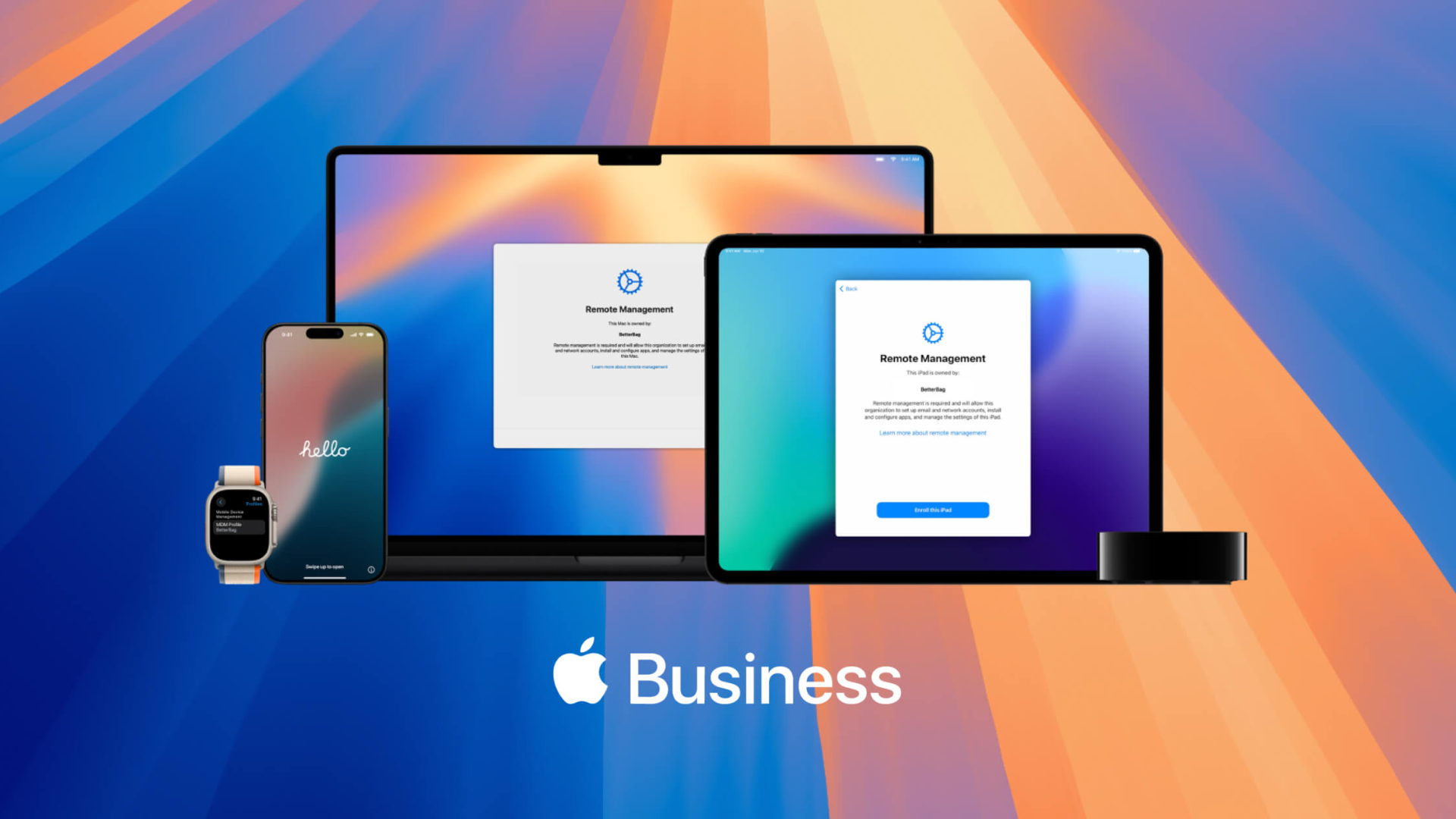
In today’s rapidly evolving digital landscape, managing a fleet of iOS devices—such as iPhones and iPads—has become a critical task for IT administrators. With the…
In today’s hybrid and remote work environments, managing company-issued devices is more complex than ever. When an employee departs, retrieving devices such as laptops, smartphones,…
Managing IT deployment has become increasingly complex as companies expand across borders and adopt hybrid work models. Businesses in the United States face the challenge…
Demo Description
Introducing your First Popup.
Customize text and design to perfectly suit your needs and preferences.
This will close in 20 seconds