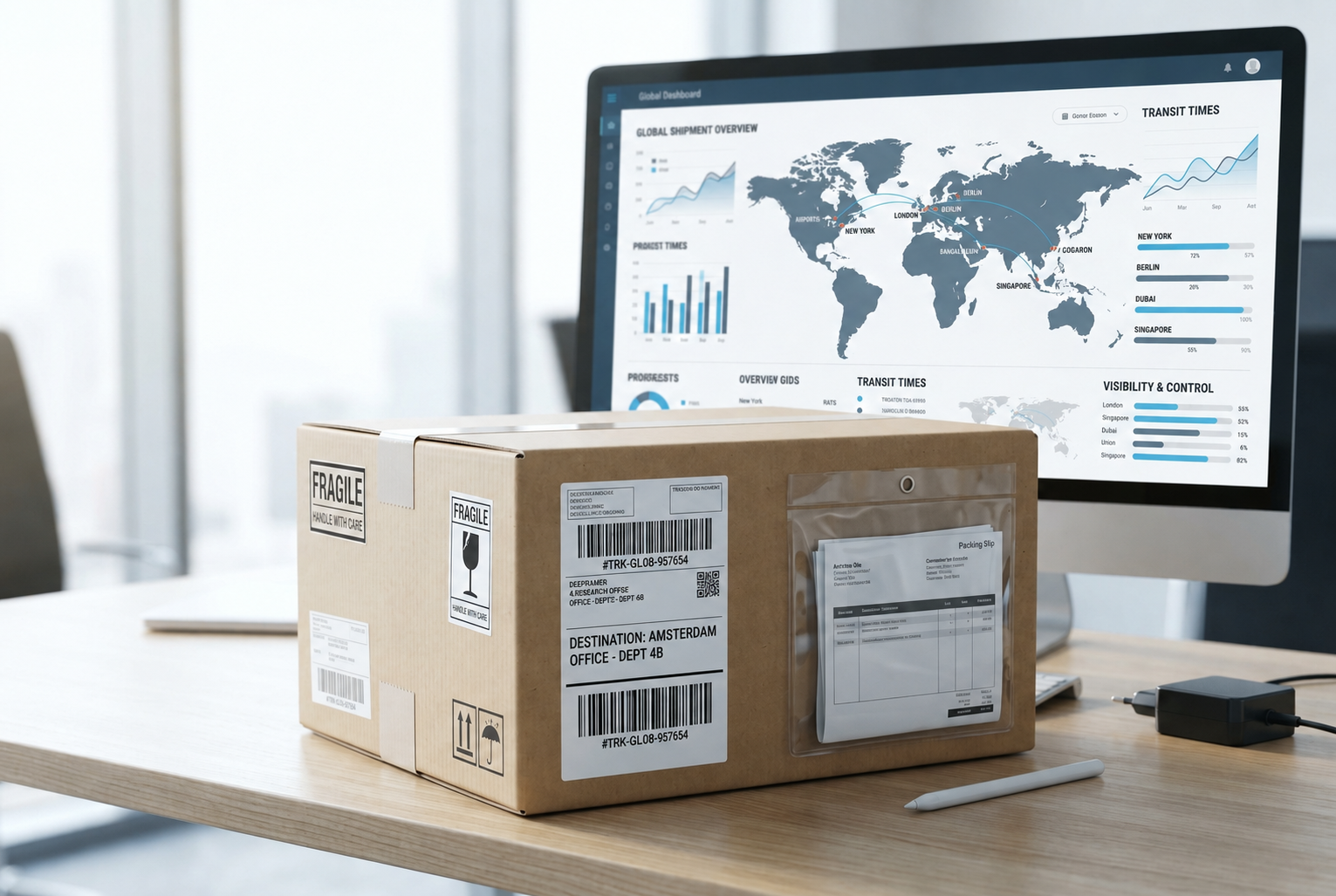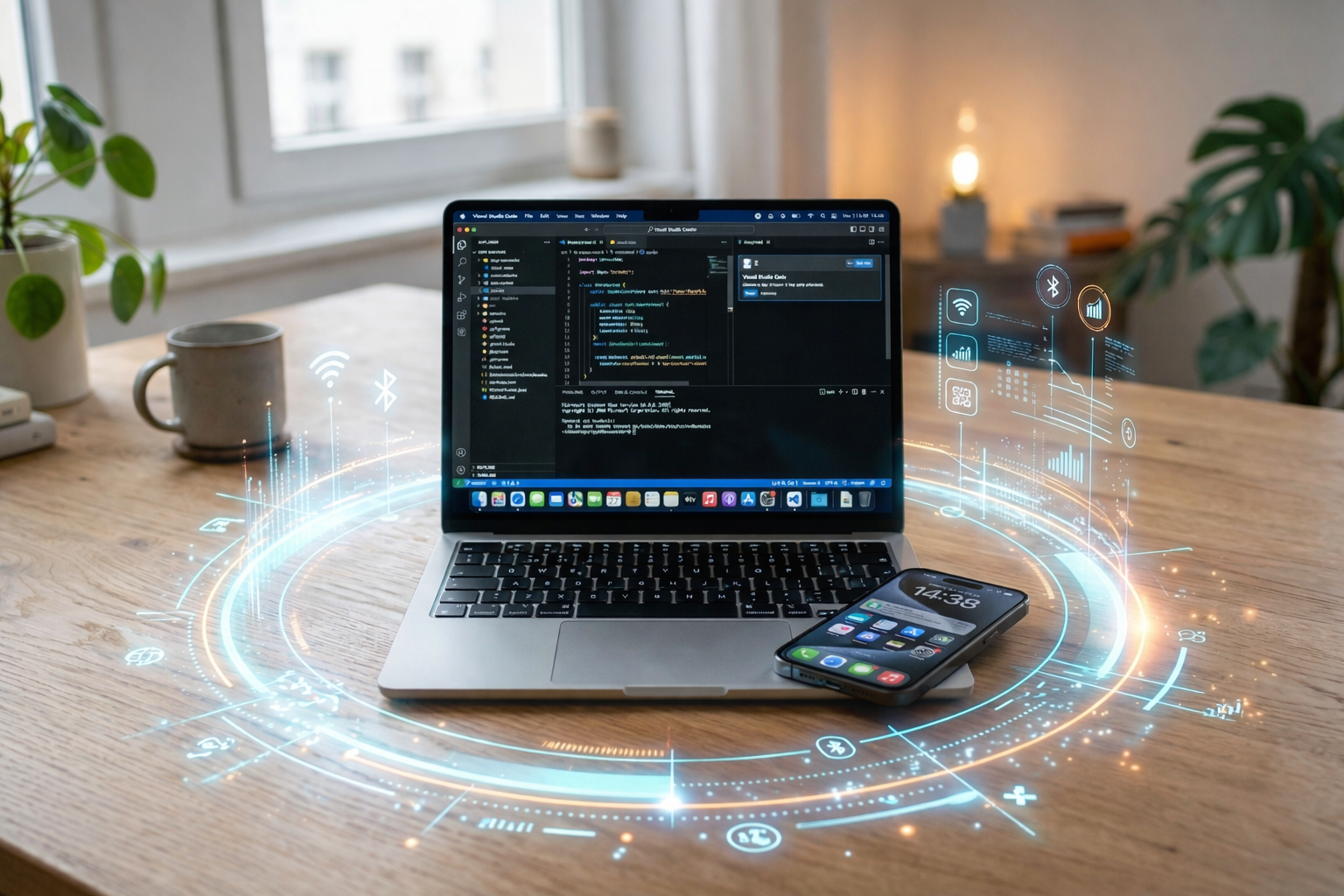
Organizations provide laptops, smartphones, and other devices for employees working across offices in regions like Europe, the United States, and APAC. As teams expand across regions, IT departments must manage procurement, device setup, and technical support while maintaining consistent device standards.
Traditional purchasing models often make global device management difficult. IT teams must coordinate hardware software, track the device lifecycle, and support employees across different regions, which can affect user experience and operational efficiency.
Mobile device as a service gives organizations a structured way to provide devices, management tools, and ongoing support through a predictable monthly cost, helping IT teams manage devices across distributed teams.
What is mobile device as a service
Mobile device as a service combines hardware, software, and support into one managed solution. Instead of handling procurement, setup, and maintenance separately, organizations rely on a single provider to deliver ready to use devices and keep them running.
This approach covers key stages of the device lifecycle, including provisioning, maintenance, and replacement. It helps IT teams reduce manual work while ensuring employees always have reliable devices and consistent support.
Mobile device as a service definition
Mobile device as a service is a model where organizations receive devices and lifecycle support as part of a managed service. Instead of owning and managing each asset independently, companies rely on a provider to handle provisioning, maintenance, and replacement.
This Device as a Service (DaaS) model allows organizations to manage device operations without handling every stage of procurement, configuration, and maintenance in house. Instead, the provider delivers devices, manages lifecycle tasks, and provides technical support that helps IT teams manage device environments more efficiently.
How the device as a service model works
The DaaS model focuses on managing the entire device lifecycle through a structured service approach. Devices are delivered to employees, managed during active use, and eventually replaced or recovered when they reach the end of their lifecycle.
Typical stages of the Device as a Service model include:
- Device procurement aligned with company hardware standards
- Device provisioning with required hardware software configuration
- Device management using mobile device management tools
- Ongoing technical support and maintenance services
- Reverse logistics when devices are recovered or refreshed
This lifecycle approach helps organizations maintain consistent device standards while allowing IT teams to manage devices more efficiently across distributed teams.
Why global organizations adopt mobile device as a service
Organizations that operate across multiple regions must manage laptops smartphones for employees working in different offices and remote locations. Teams may be located in Europe, the United States, APAC, or other regions, which makes device procurement, support, and maintenance more complex.
Mobile Device as a Service helps organizations manage these challenges through a subscription based service model. Instead of coordinating separate vendors for hardware, device management, and support, companies receive integrated managed services that support the full device lifecycle.
This service model allows IT teams to manage devices more consistently while maintaining reliable technical support and predictable device operations across global teams.
Managing devices across global locations
Global organizations often support employees working across several countries and time zones. Devices must be delivered, configured, and supported in different regions while maintaining consistent hardware standards.
Mobile device as a service helps companies manage laptops smartphones across these locations through a structured device lifecycle approach. Providers coordinate device provisioning, maintenance, and reverse logistics so organizations can maintain consistent device environments across Europe, the United States, APAC, and other global regions.
Reducing operational complexity for IT teams
IT teams often manage procurement, device configuration, maintenance, and technical support at the same time. When organizations expand globally, these responsibilities increase significantly.
With the DaaS model, many of these operational tasks are supported through managed services. This allows IT teams to focus on infrastructure management while the provider handles device provisioning, lifecycle support, and technical assistance.
Supporting consistent user experience worldwide
Employees depend on reliable devices to perform daily tasks. When devices are delayed, poorly configured, or unsupported, productivity and user experience can be affected.
Mobile device as a service helps maintain consistent device readiness by providing employees with devices that meet company standards and include ongoing technical support. Access to latest technology and structured lifecycle management helps organizations maintain reliable device performance across distributed teams.
Key components of mobile device as a service
Mobile device as a service combines hardware delivery, device management, and lifecycle support into a structured service model. Instead of managing each stage internally, organizations receive integrated services that help IT teams manage devices across offices and global locations.
Hardware and software provisioning
Mobile device as a service includes the delivery of laptops smartphones along with the required hardware software configuration. Devices are prepared according to company standards so employees can begin using them with minimal setup, which helps organizations maintain consistent device environments across teams.
Mobile device management and device governance
Mobile device management tools allow IT teams to manage device settings, security policies, and application access. These tools help organizations manage devices while maintaining visibility into device activity and applying consistent governance policies across the device environment.
Technical support and managed services
Technical support and managed services help maintain device performance throughout the device lifecycle. Providers assist with troubleshooting, maintenance, and user support so IT teams can maintain stable device environments without handling every support request internally.
Reverse logistics and device recovery
Reverse logistics supports device retrieval and refresh when hardware reaches the end of its service period. Providers coordinate device recovery and replacement so organizations maintain visibility into device assets while keeping the device lifecycle properly managed.
Benefits of mobile device as a service
Mobile device as a Service helps organizations manage laptops smartphones and other employee devices through a structured service model. Instead of purchasing and maintaining devices independently, companies receive hardware software, support services, and device management through a subscription based model.
This approach allows organizations to manage device environments more efficiently while maintaining consistent device standards across offices and distributed teams.
Cost predictability through subscription based pricing
One of the main benefits of mobile device as a service is predictable device spending. Organizations pay a monthly fee for devices and related services rather than making large upfront hardware purchases.
This subscription model allows companies to plan device costs more effectively while maintaining access to necessary hardware software and support services.
Access to latest technology
Mobile Device as a Service helps organizations provide employees with reliable devices that meet current technology standards. Devices can be refreshed during the device lifecycle so employees continue using equipment that supports their daily work.
Access to latest technology also improves user experience by ensuring employees have devices that meet performance and compatibility requirements.
Simplified device lifecycle management
Managing the device lifecycle can require significant effort from IT teams. Device procurement, configuration, maintenance, and replacement often involve multiple processes.
Mobile device as a service simplifies these tasks by combining lifecycle operations within a single service model. Providers support device provisioning, maintenance, technical support, and reverse logistics so organizations can manage devices more efficiently across their workforce.
Mobile device as a service for distributed teams
Many organizations now support employees working across offices, remote locations, and global regions. Teams may operate in Europe, the United States, APAC, and other locations, which creates new challenges for managing laptops smartphones and other work devices.
Mobile device as a service helps organizations manage devices across distributed teams through a subscription based service model. Instead of coordinating device procurement and support in each region, companies receive structured services that support the entire device lifecycle. This approach helps IT teams maintain consistent device standards while supporting employees in different locations.
Managing laptops and smartphones across regions
Organizations with distributed teams must ensure that employees receive devices that meet company standards regardless of where they work. Mobile Device as a Service helps manage laptops smartphones across regions by coordinating device provisioning, maintenance, and replacement through a unified service model.
This approach allows companies to maintain consistent hardware software standards while ensuring employees have access to reliable devices and technical support.
Supporting global hiring and remote work
Global hiring often requires organizations to provide devices to employees working in different countries and time zones. Mobile Device as a Service supports this process by simplifying how companies manage device delivery and lifecycle operations.
Key operational activities supported by the daas model include:
- Device provisioning for new employees
- Hardware software preparation before device delivery
- Mobile device management configuration
- Technical support during active device use
- Reverse logistics when devices are recovered or replaced
These services help organizations manage devices more consistently while supporting employees working across distributed teams.
Common questions about mobile device as a service
What is mobile device as a service
Mobile Device as a Service is a subscription based service model where organizations receive laptops smartphones, device management tools, and support services through a monthly fee. The service typically includes hardware software provisioning, device management, technical support, and lifecycle support throughout the device lifecycle.
How does the device as a service model work
The device as a service model provides devices to employees while the provider manages key lifecycle activities. These activities usually include device provisioning, mobile device management configuration, maintenance support, and reverse logistics when devices reach the end of their service period.
What devices are included in mobile device as a service
Mobile device as a service commonly includes laptops smartphones and sometimes tablets used by employees. Devices are delivered with the required hardware software configuration so organizations can maintain consistent device standards across teams.
How does mobile device management support device as a service
Mobile device management helps organizations manage device settings, security policies, and application access across managed devices. Within a device as a service environment, mobile device management tools allow IT teams to manage devices while maintaining visibility into device activity and security policies.
What are the benefits of device as a service
The benefits of daas include predictable device costs through a subscription model, simplified device lifecycle management, and ongoing technical support. This service model helps organizations manage devices more efficiently while maintaining reliable device performance for employees.
Managing devices across global teams
Companies that operate across multiple regions must manage laptops smartphones while maintaining consistent device standards and support. Coordinating device provisioning, maintenance, and lifecycle operations across different locations can create operational challenges for IT teams.
Mobile device as a service provides a structured service model that combines hardware software, device management, and lifecycle support through a subscription based approach.
Esevel supports organizations that operate in Europe, the United States, APAC, and other regions by helping IT teams manage devices and device lifecycle operations for distributed workforces.