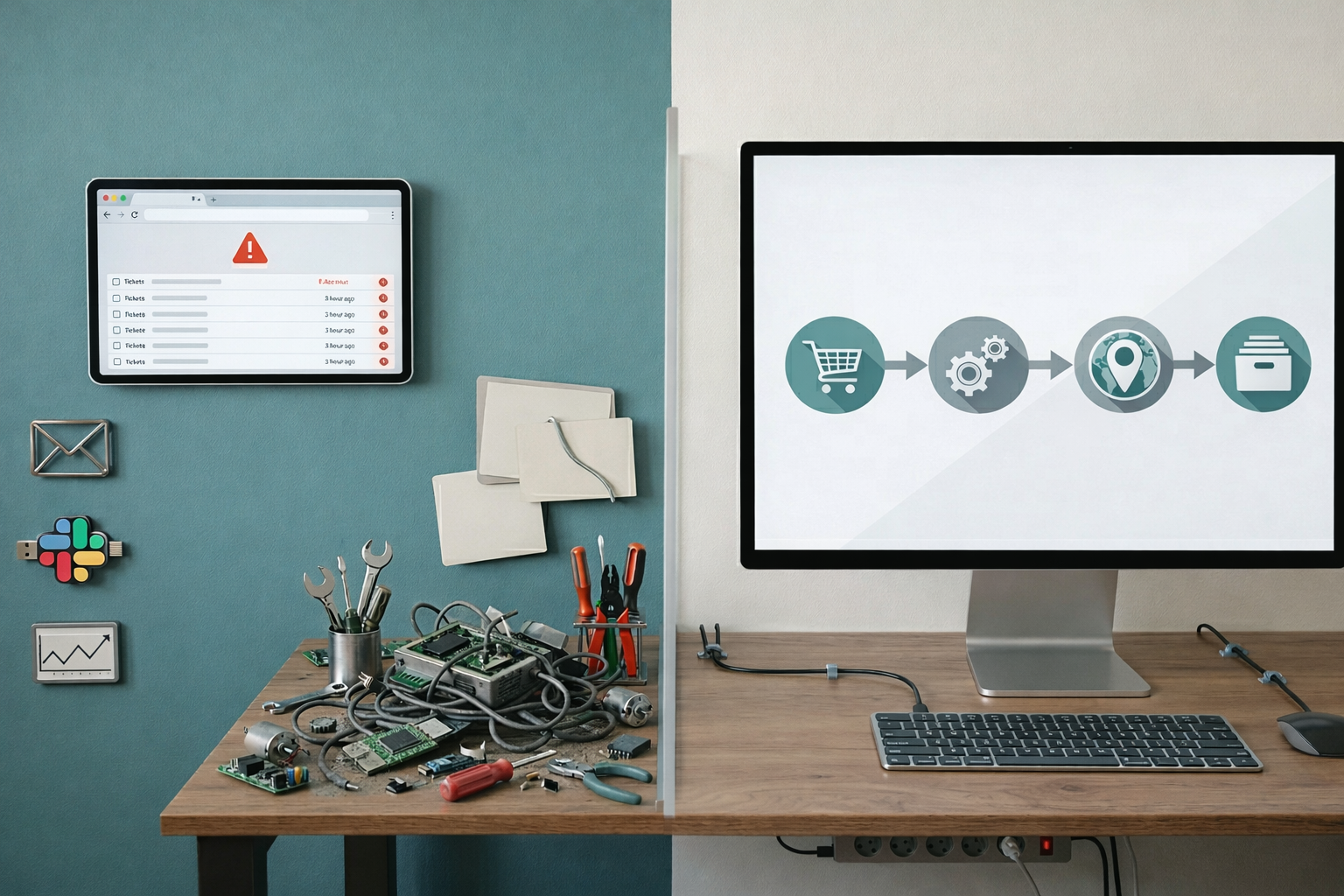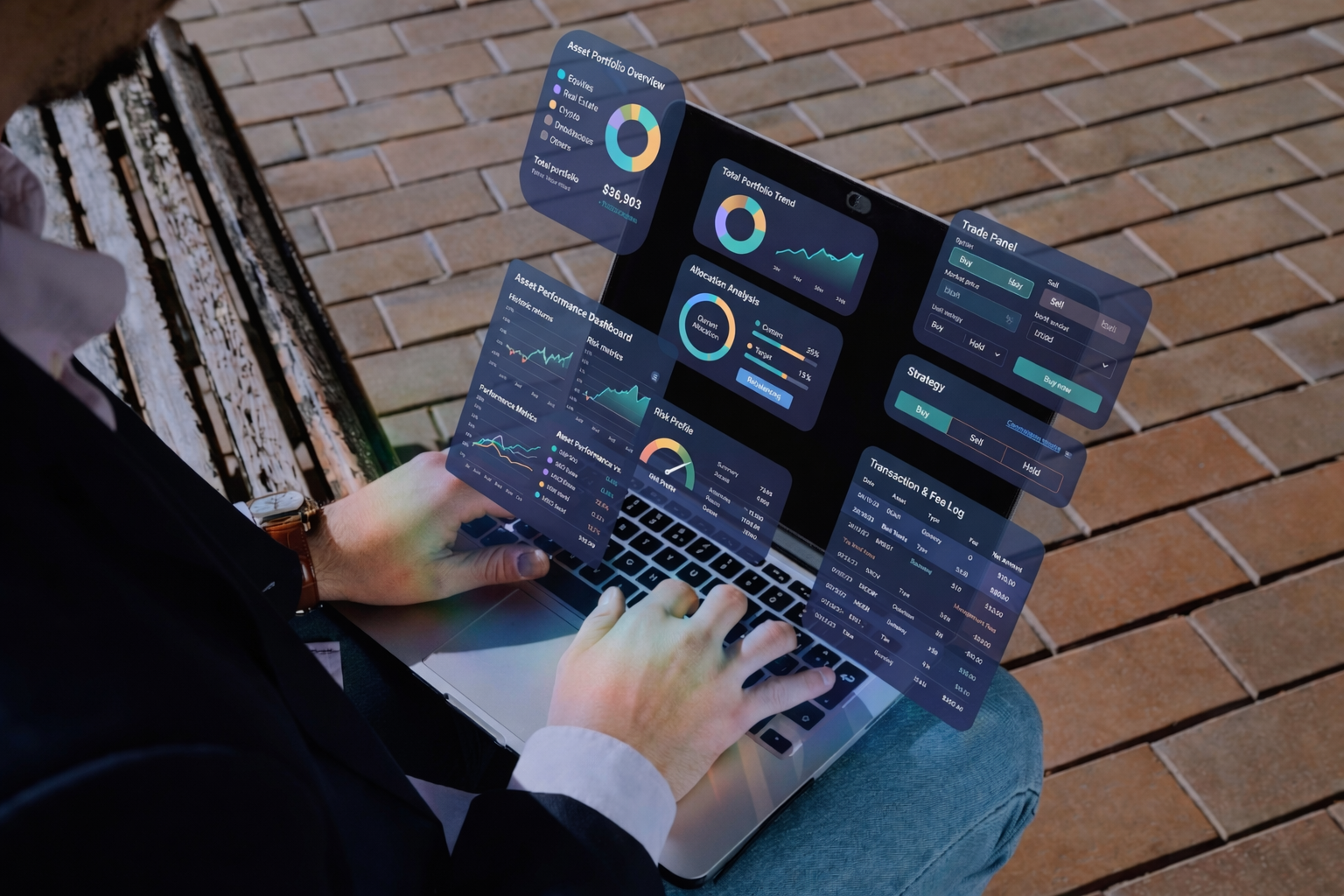
Many companies already use fixed asset management software. They track devices, record ownership, and generate reports. On paper, everything looks under control. In reality, gaps…

Fixed assets are easy to track when your company is small. You know where devices are, who is using them, and when they were purchased….
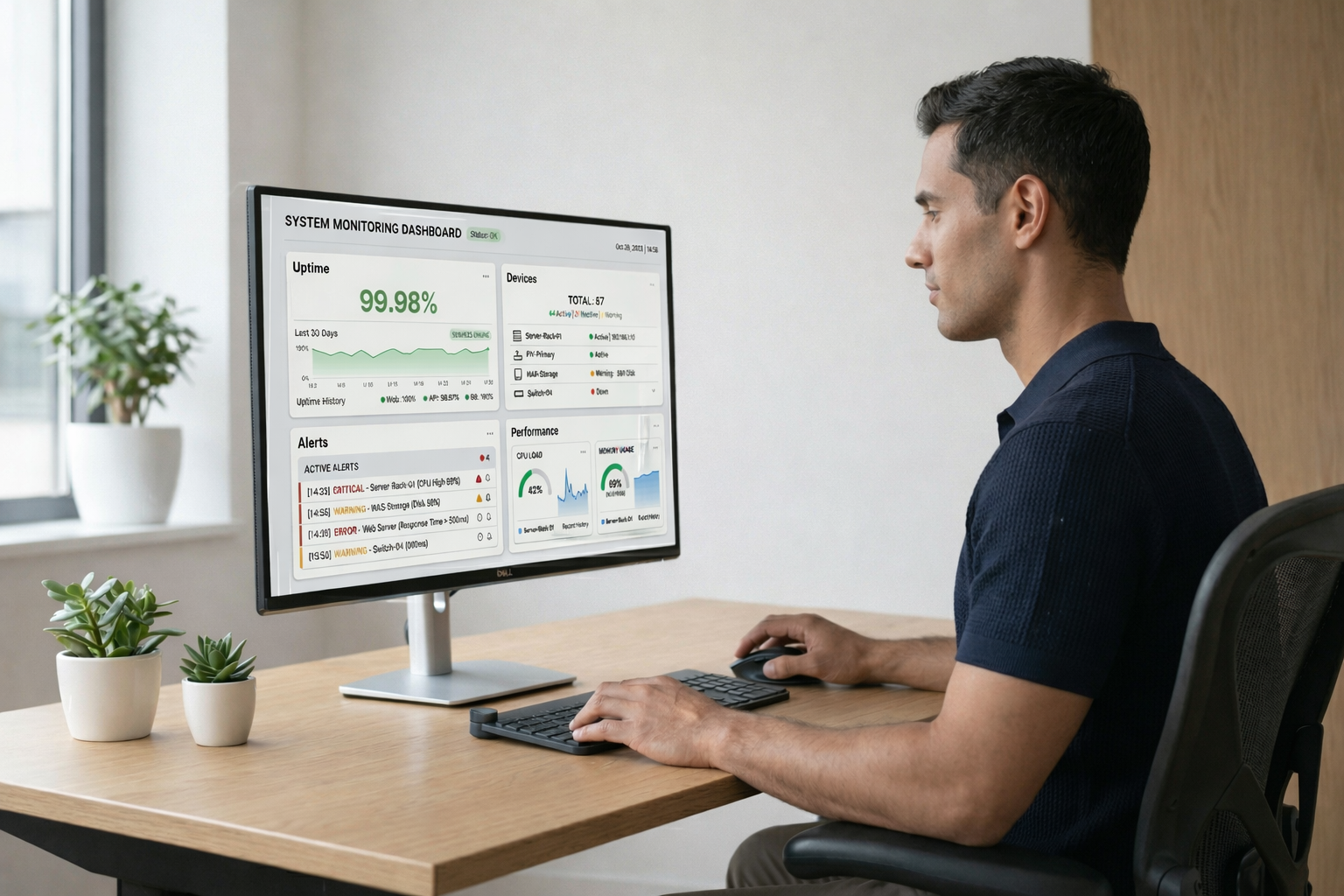
IT support and services support daily business operations across devices, applications, and networks. When these systems slow down or fail, teams cannot work efficiently. This…
Many companies rely on outsourced IT support to manage systems without building a large internal team. This model helps handle support requests, maintain infrastructure, and…
Small businesses rely on stable systems to run daily operations. Email, devices, applications, and networks must work without interruption. When issues appear, even small delays…
IT support tech keeps systems running behind daily business operations. Every device, application, and network depends on consistent monitoring, maintenance, and issue resolution to stay…
IT operations expand quickly as companies add more users, devices, and systems. What starts as a manageable setup can turn into a complex environment that…
IT teams often manage devices, tools, and systems across multiple platforms. This creates fragmented visibility and makes it harder to track assets or enforce consistent…
Many companies deploy Mobile Device Management (MDM) tools but struggle to make them work across real teams, devices, and workflows. Identity management, access control, and…
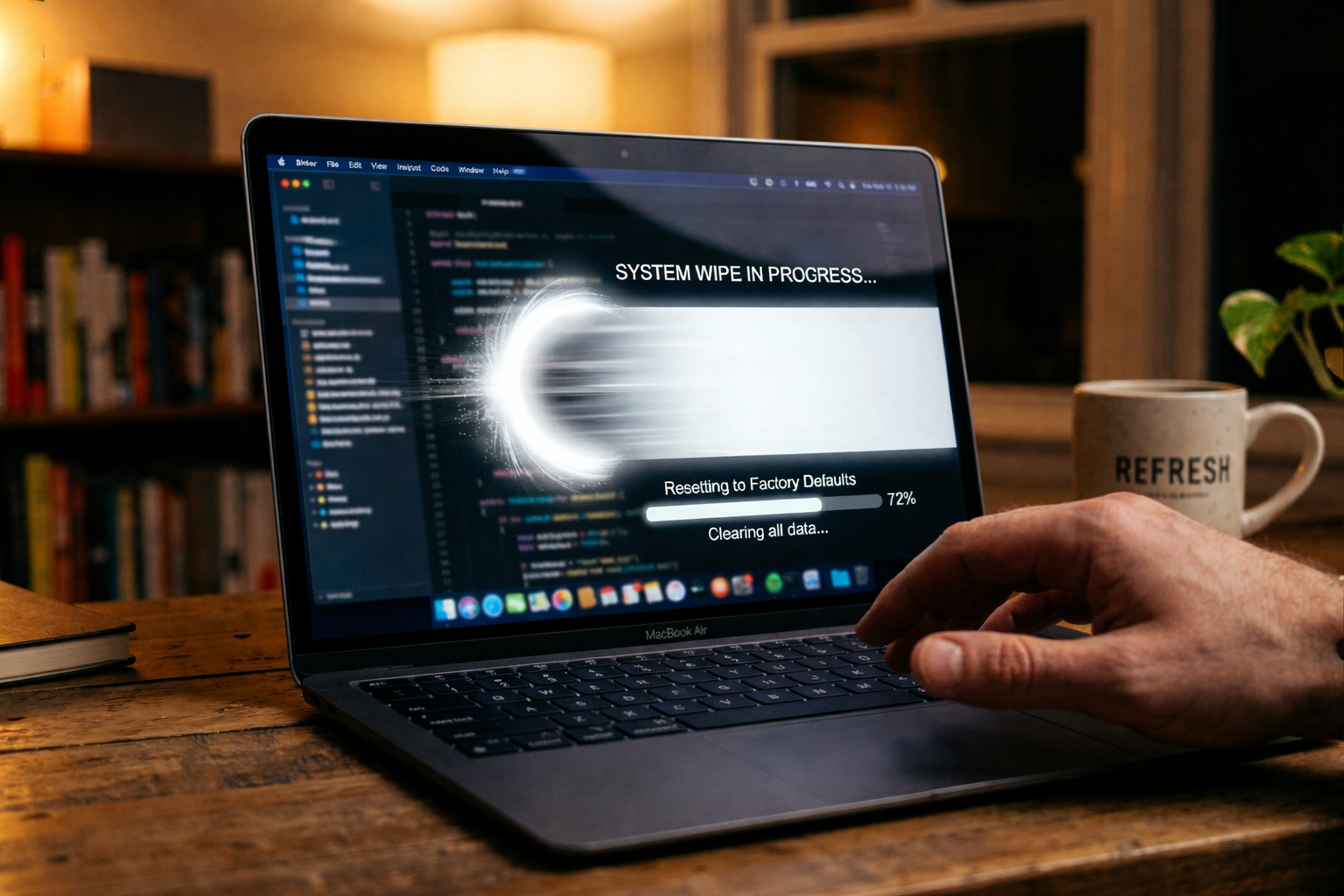
Many organizations focus heavily on onboarding but underestimate the operational complexity of offboarding. When employees leave, laptops and other devices must be retrieved, secured, and…
Demo Description
Introducing your First Popup.
Customize text and design to perfectly suit your needs and preferences.
This will close in 20 seconds